
Editor's note: This article was originally published in The Surveyor, YouGov America's email newsletter. It has been revised for publication here. Subscribe to The Surveyor for regular updates on YouGov's polling.
YouGov asked Americans to place their political viewpoints on a seven-point scale: far-left, left, center-left, center, center-right, right, far-right.
The most common way Americans describe their political viewpoint is center (21% of U.S. adult citizens), followed by right (17%) and left (15%). Smaller shares describe themselves as center-right (10%), center-left (9%), far-left (9%), and far-right (5%). 14% of Americans aren't sure where they fall on this scale.
These classifications are based on Americans' self-descriptions, not an analysis of their beliefs about particular issues.
The coalitions in the Democratic and Republican parties are, broadly speaking, mirror images of each other. 19% of Democrats say they're far-left, and 15% of Republicans say they're far-right. 40% of Democrats say their politics are left but not far-left, and 47% of Republicans say theirs are on the right but not far-right. 15% of Democrats are center-left, and 18% of Republicans are center-right.
Among Independents, 35% say their views are in the center, while 23% aren't sure. Another 22% of Independents say they are either center-left (11%) or center-right (10%).
Adults under 30 are more likely to describe themselves as far-left than are adults 65 and older (14% vs. 5%). There aren't big age differences in the share of Americans who identify as far right, but 18- to 29-year-olds are half as likely to say their politics are on the right — but not center-right or far-right — as are those 65 and older (11% vs. 26%).
Americans' party identities are complex. 24% of those who describe themselves as "strong Democrats" say their politics are far-left, compared to 8% of those who say they're "not very strong Democrats." Likewise, 22% of "strong Republicans" say they're far-right, compared to 1% of "not very strong Republicans." Democrats and Republicans whose party affiliation is strong are also more likely to say their politics are "left" or "right," respectively, and less likely than their not-so-strong confederates to say they're center-left, center-right, or in the center.
About half of all self-described Independents lean toward one of the two major parties. YouGov has previously noted that "strong Democrats" and Independents who lean Democratic have similar views of Donald Trump, while Independents who lean Republican have views more like "not very strong Republicans." That difference also holds true for self-described political viewpoints: 20% of Democratic-leaning Independents identify as far left, closer to the 24% of "strong Democrats" who do so than to the 8% of "not very strong Democrats" who do. But just 4% of Independents who lean Republican identify as far-right, closer to the 1% of "not very strong Republicans" who do than the 22% of "strong Republicans" who do.
Among Independents who lean to neither party, 50% say they're centrists, and 29% aren't sure where they fall. The remaining 20% of Independents who lean to neither party say their politics are some flavor of left or right.
YouGov asked Americans whether they identify as a Democratic Socialist and whether they identify as a MAGA supporter. 36% of Democrats and Democratic-leaning Independents identify as Democratic Socialists, and 60% of Republicans and Republican-leaning Independents identify as MAGA supporters.
37% of Democratic Socialists say their politics are far-left, compared to 11% of Democrats and Democratic-leaning Independents who say they're not Democratic Socialists. 21% of MAGA supporters say their politics are far-right, compared to 4% of Republicans and Republican-leaning Independents who aren't MAGA supporters.
We also asked Americans whether their political views were ever on the far left or far right. 20% of Americans say they're either currently far-left (9%) or once were (11%). 19% say they are currently far-right (5%) or once were (13%). Overall, 35% of Americans say their politics are currently far-left or far-right (14%) or previously were at least one of those (21%).
29% of Americans whose politics are "left," and 16% of those on the center-left, say they once were far-left. 35% of Americans whose viewpoint is "right," and 22% of those on the center-right, say they once were far-right.
Finally, YouGov asked Americans if they have friends whose politics are on the far left, in the center, or on the far right.
Overall, 48% of Americans say they have many (11%) or a few (36%) friends on the far left. 48% say they have many (8%) or a few (40%) friends in the center. And 43% say they have many (10%) or a few (32%) friends on the far right.
Americans on the far-left and far-right are likely to have lots of friends who share their politics. 57% of Americans with far-left politics say they have many friends who are also far-left, and 60% of those with far-right politics say they have many far-right friends. In contrast, 14% of Americans whose politics are left but not far-left say they have many far-left friends, and 17% of Americans whose politics are right but not far-right say they have many far-right friends.
Only 17% of centrists say they have many centrist friends.
Rating politicians' viewpoints
YouGov also asked Americans how they rate the political viewpoints of famous politicians.
Among the politicians most likely to be described as having far-left politics, among those included in the survey, are Bernie Sanders, Alexandria Ocasio-Cortez, and Zohran Mamdani. Donald Trump and JD Vance are the most likely to be described as having far-right politics.
Barack Obama and Joe Biden are both seen as broadly on the left, but are less likely to be described as far-left than Sanders, Ocasio-Cortez, and Mamdani. Robert F. Kennedy, Jr., and George W. Bush are both seen as being on the right, but are less likely to be described as far-right than Trump and Vance are.
Several politicians with reputations as moderates, or for clashes with members of their own parties, are even less likely to be described as far-left or far-right. For example, 22% of Americans describe Andrew Cuomo's politics as either center (11%) or center-left (11%), far more than the 7% who call him far-left. 29% describe Mitt Romney as either center (11%) or center-right (18%), compared to only 5% who call him far-right.
Americans don't agree on how to characterize many of these politicians' viewpoints. For example, 50% of Americans say Donald Trump is far-right, while 20% say he is "right" and 7% that he is center-right.
But overwhelming majorities of Americans who are left of center describe Trump as far-right: 84% of those who are far-left describe him that way, as do 85% of those who are "left" and 83% of those who are center-left.
In contrast, Americans whose politics are in the center or on the right are much less likely to call Trump far-right. 39% of centrists say Trump is far-right, as do 34% of those on the center-right and 28% of those whose views are right wing but not far-right or center-right. 50% of Americans who are far-right themselves call Trump far-right.
There are also interesting differences in how Americans view the politics of Senate Democratic leader Chuck Schumer: Half of all Republicans (49%) say Schumer's political viewpoint is far-left, while just 8% of Democrats say so. Among far-left Americans, as many say Schumer's politics are right-of-center (14%) as say he's far-left (13%).
Click here to see interactive versions of these charts, where you can click to see details on all 24 politicians YouGov asked about.
YouGov also asked Americans where they put the political viewpoint of Democratic Socialists and MAGA supporters. Overall, 45% of Americans describe Democratic Socialists as far-left, and 49% describe MAGA supporters as far-right.
Americans with left-of-center politics — the center-left, left, and far-left — are less likely than those whose views are on the right to say Democratic Socialists are far-left, and more likely to say their views are left without being far-left or center-left. Conversely, Americans with views on the right are less likely than those on the left to say MAGA supporters are far-right.
However, Americans who are far-left themselves are more likely than those who are either center-left or are left without being far-left or center-left to call Democratic Socialists far-left, and Americans who are far-right are more likely than other rightists to call MAGA supporters far-right.
Methodology: This poll was conducted online among 3,363 U.S. adult citizens in three separate 2025 surveys from October 21 - 24, 2025, October 22 - 24, 2025, and November 10 - 14, 2025. Respondents were selected from YouGov’s opt-in panel to be representative of U.S. adult citizens. A random sample (stratified by gender, age, race, education, geographic region, and voter registration) was selected from the 2019 American Community Survey. The sample was weighted according to gender, age, race, education, U.S. region, 2024 presidential vote, 2020 election turnout and presidential vote, baseline party identification, and current voter registration status. 2024 presidential vote, at time of weighting, was estimated to be 48% Harris and 50% Trump. Demographic weighting targets come from the 2019 American Community Survey. Baseline party identification is the respondent’s most recent answer given around November 8, 2024, and is weighted to the estimated distribution at that time (31% Democratic, 33% Republican). The margin of error for the overall sample is approximately 2%.
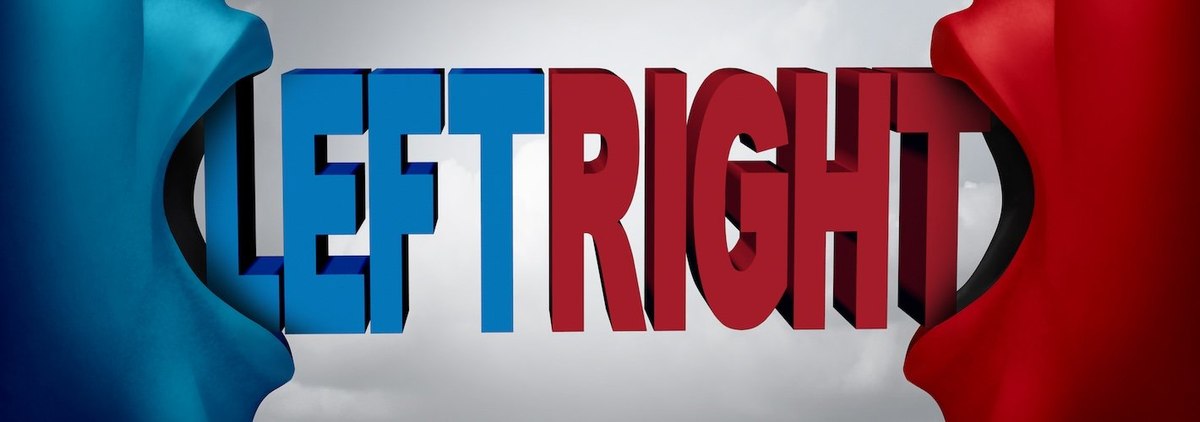
Image: Getty (wildpixel)
What do you think about the election, American politics in general, and everything else? Have your say, join the YouGov panel, and get paid to share your thoughts. Sign up here.