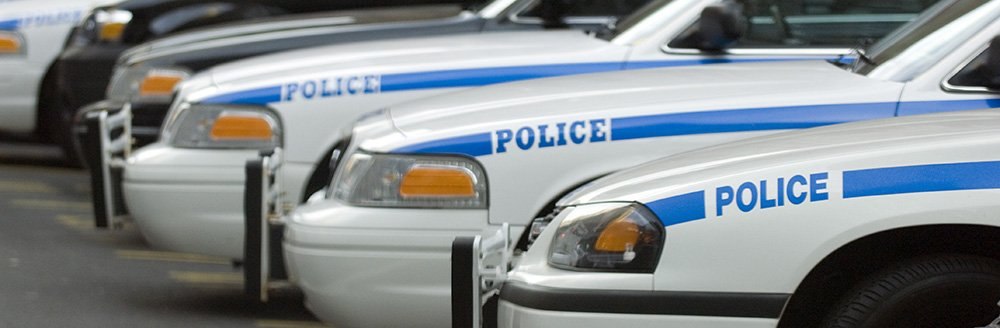

A new YouGov survey on law enforcement finds that majorities of Americans support police reform measures including requiring body cameras for officers and banning officers fired for misconduct from working in other police departments. The survey also explored how Americans see the nation’s crime rate changing, their personal experiences with police, and in which situations they would call the police.
The police reform policy Americans are most likely to support of 15 asked about in the survey is requiring all police officers to use body cameras while on duty. 89% of Americans strongly or somewhat support this. Majorities also support banning former police officers who have been fired for misconduct from applying to work in other police departments (81%), creating a federal registry for complaints against police officers (72%), and making it easier for the federal government to charge police officers for using excessive force (71%).
Black Americans are more likely than white Americans to say they would support budgeting less money for their local police department and more for social services such as social workers (63% vs. 45%). They also are more likely to support creating a federal registry for complaints against police officers (84% vs. 69%) and defunding the police (34% vs. 19%).
White Americans are more likely than Black Americans to support increasing federal penalties for crimes against law enforcement officers (62% vs. 50%) and sending troops into large U.S. cities to enforce public order (43% vs. 27%).
Americans are more likely now than they were in December 2020 to support budgeting less money for their local police department and more for social services (48%, up from 39%) and making it easier for the federal government to charge police officers for using excessive force (71%, up from 64%).
Republicans are far more likely than Democrats to support sending troops into large U.S. cities to enforce public order (78% vs. 19%) and expanding the transfer of military equipment to police departments (63% vs. 22%). They are less likely than Democrats to support budgeting less money for their local police department and more for social services (48% vs. 70%).
The difference between Democratic and Republican support for police-reform policies may be tied to their different beliefs about trends in the nation’s crime level: 42% of Republicans say the level of crime nationally has gone up a lot over the last few years, about twice the share of Democrats (19%).
Only 9% of Americans say law enforcement agencies across the country are doing an excellent job. 38% say they’re doing a good job, 31% think they’re doing a fair job, and 16% say they’re doing a poor job. Black Americans (26%) and Hispanic Americans (22%) are more likely than white Americans (11%) to say law enforcement agencies are doing a poor job.
Americans are far more likely to say law enforcement agencies are doing a poor job than an excellent job holding officers accountable for misconduct (37% vs. 10%), addressing mental health crises appropriately (37% vs. 6%), and treating racial and ethnic groups equally (37% vs. 12%).
The things included in the poll for which Americans are most likely to consider law enforcement agencies' performance to be are excellent are enforcing immigration laws (14%) — though about twice as many (32%) say they do a poor job of this — and responding quickly to emergencies (14%).
When choosing which of two statements comes closer to their view, far more Americans say calling the police is a sensible thing to do in many bad situations than say even in dangerous situations calling the police should be a last resort (76% vs. 13%). White Americans (80%) are more likely than Black Americans (71%) and Hispanic Americans (68%) to say calling the police is a sensible thing to do in many bad situations.
What merits a call to the police? Nearly all Americans say they would call the police if someone has been shot (95%) or if someone is being assaulted (93%). Majorities say they would call the police if two vehicles collide (84%), someone appears to be abusing their pet (70%), a person who appears to be mentally ill is acting erratically (62%), or a couple next door is having a loud argument that sounds violent (62%).
Small shares of Americans say they would call the police if children are playing loudly in the street in front of their house (6%), someone littered (9%), a person who appears to be homeless is sleeping in a public park (12%), or someone is smoking marijuana in public (14%).
Republicans are more likely than Democrats to say they would call the police if a person who appears to be mentally ill is acting erratically (77% vs. 58%), if someone is shoplifting in a store (67% vs. 46%), and if they suspect someone is an illegal immigrant (33% vs. 11%).
White Americans are more likely than Black Americans to say they would call the police if someone is being assaulted (95% vs. 85%), if someone appears to be abusing their pet (72% vs. 58%), and someone is shoplifting in a store (55% vs. 44%).
41% of Americans say their personal experiences with law enforcement have been mostly good. 25% say their experiences have been mixed and 7% say they’ve been mostly bad; 23% say they've had no experiences. White Americans are more likely than Hispanic Americans and Black Americans to say their experiences have been mostly good (47% vs. 32% vs. 25%).
White Americans (34%) are slightly more likely than Hispanic Americans (27%) and Black Americans (24%) to say they have reported a crime to law enforcement. They also are slightly more likely to say they have been assisted by law enforcement after they experienced a crime (22% vs. 17% vs. 12%).
Black Americans and Hispanic Americans are more likely than white Americans to say they have experienced prejudice from law enforcement (21% vs. 18% vs. 9%). They also are more likely to say they have been stopped and searched by law enforcement (23% vs. 23% vs. 15%).
Black Americans are much more likely than white Americans to say they have had the police called on them at least once because of their race or ethnicity (27% vs. 3%). They also are more likely to say that at least once they’ve been reported to the police when they weren’t doing anything wrong (29% vs. 17%) and to say that at least once they have had their home or car searched without a warrant (18% vs. 11%).
Related:
- Crime and punishment: How often Americans think would-be criminals are deterred by the fear of being caught and punished
- Fewer Americans see a broader problem in police killings of Black people than did last summer
- How Americans feel about law enforcement and the military
See the results for this YouGov survey
— Carl Bialik and Taylor Orth contributed to this article
Methodology: This article includes results from two 2025 online surveys conducted among 2,284 U.S. adult citizens on October 28 - November 1 and October 29 - November 3. Respondents were selected from YouGov’s opt-in panel to be representative of adult U.S. citizens. The sample was weighted according to gender, age, race, education, 2024 presidential vote, 2020 election turnout and presidential vote, baseline party identification, and current voter registration status. 2024 presidential vote, at time of weighting, was estimated to be 48% Harris and 50% Trump. Demographic weighting targets come from the 2019 American Community Survey. Baseline party identification is the respondent’s most recent answer given around November 8, 2024, and is weighted to the estimated distribution at that time (31% Democratic, 32% Republican). The margin of error for the overall sample is approximately 4 percentage points.
Image: Getty
What do you really think about President Trump, American politics in general, and everything else? Share your reality, join the YouGov panel, and get paid to share your thoughts. Sign up here.