
Americans are more likely to say that growing diversity makes the U.S. a better place to live than to say it makes the country worse. They're also more likely to say that racism is a big problem today than to say it's either a small problem or not a problem. Most Americans say that Jesse Jackson, who died last week, was important in shaping American politics today, and more say he had a positive than a negative impact on the country.
What you need to know about Americans' views on race relations, civil rights, and Jesse Jackson, as of the February 20 - 23, 2026 Economist / YouGov Poll:
- 45% of Americans think that increasing racial and ethnic diversity in the U.S. makes the country a better place to live. Only 17% say it makes the country a worse place to live, and 25% say it makes no difference
- Democrats overwhelmingly say that increasing diversity makes the country a better place to live (73%). Independents are also more likely to say it makes the country a better place to live than to say it makes it a worse place to live (41% vs. 15%). In contrast, Republicans are more likely to say that growing diversity makes the country a worse place to live (33%, vs. 25% who say it makes it a better place to live)
- This is especially pronounced among the majority (59%) of Republicans who say they are MAGA supporters: 40% say increased diversity makes the U.S. worse off, while only 21% say it makes it better off. In contrast, the 30% of Republicans who aren't MAGA supporters are more likely to say growing diversity makes the U.S. better than to say it makes the country worse (36% vs. 24%)
- Opinion varies less by race. Hispanic Americans (58%) are more likely than Black (48%) and white (43%) Americans to say growing diversity makes the country a better place to live. Members of all three groups are far more likely to say growing diversity makes the country better off than to say it makes it worse off
- Democrats overwhelmingly say that increasing diversity makes the country a better place to live (73%). Independents are also more likely to say it makes the country a better place to live than to say it makes it a worse place to live (41% vs. 15%). In contrast, Republicans are more likely to say that growing diversity makes the country a worse place to live (33%, vs. 25% who say it makes it a better place to live)
- 41% of Americans say that racism is a big problem in our society today and 31% say it is somewhat of a problem. 19% say it is a small problem and only 10% say it is not a problem
- The share of Americans who say racism is a big problem has increased from 32% in January 2025
- About two-thirds (69%) of Democrats but only 16% of Republicans say racism is a big problem today. About half (48%) of Republicans say racism is a small problem or not a problem
- Majorities of Black (63%) and Hispanic (55%) Americans say racism is a big problem. In contrast, the share of white Americans who say racism is a big problem is about the same as the share who say it is a small problem or not a problem (34% vs. 32%)
- About half (48%) of Americans say that race relations in the United States have gotten better since the 1960s. About one-quarter (26%) say race relations have stayed about the same and one-quarter (26%) say they have gotten worse
- Most Republicans (61%) say that race relations have gotten better since the 1960s. Democrats (40%) and Independents (43%) are less likely to hold this view but more likely to hold it than to say race relations have gotten worse
- Polarization on this question has increased since January 2025. One year ago, about half of both Republicans and Democrats said that race relations had gotten better since the 1960s
- About half (52%) of white Americans say that race relations have gotten better since the 1960s. In contrast, Black Americans are evenly divided between saying that race relations have gotten better (34%), stayed the same (32%), and gotten worse (34%)
- American adult citizens born before 1960 (32%) and in the 1960s (31%) are more likely than those born in the 1970s or later (22%) to say that race relations have gotten worse since the 1960s
- Most Republicans (61%) say that race relations have gotten better since the 1960s. Democrats (40%) and Independents (43%) are less likely to hold this view but more likely to hold it than to say race relations have gotten worse
- 38% of Americans say that a great deal or quite a bit of Martin Luther King Jr.'s dream of racial equality has been realized today. 33% say only some has been realized and 18% say very little or not much at all has been realized
- These shares are similar to when this question was last asked in January 2025
- Republicans (56%) are much more likely than Independents (34%) and Democrats (25%) to say that most of King's dream has been realized
- White (39%) and Hispanic (43%) Americans are more likely than Black Americans (31%) to say that most of King's dream has been realized
- About half (49%) of Americans say that the civil rights movement in the 1960s made significant advances, but failed on many dimensions. About one-third (31%) say it achieved most of its goals, while only 5% say it did not achieve most of its goals. Views on the movement's success are less polarized by party identification and race than are views on several other related questions
- Republicans (37%) are more likely than Democrats (30%) and Independents (27%) to say the 1960s civil rights movement achieved most of its goals
- Black (36%) and Hispanic (37%) Americans are more likely than white Americans (29%) to say it achieved most of its goals
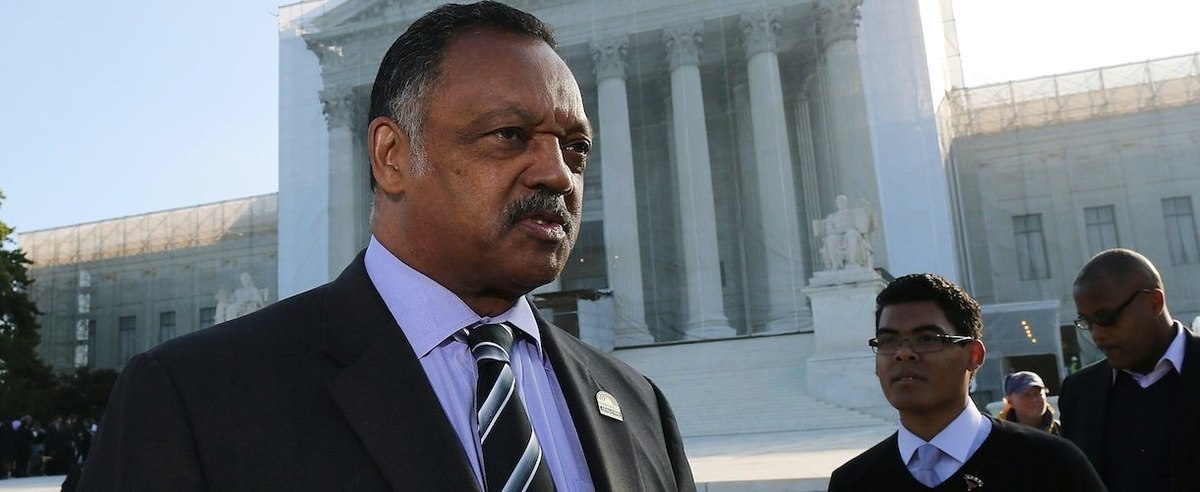
- About two-thirds (68%) of Americans say that Jesse Jackson was somewhat or very important in shaping American politics
- The vast majorities of Democrats (86%) and Black Americans (91%) say Jackson was important
- About half (51%) of Republicans and about two-thirds (65%) of white Americans say the same
- There are big differences in the shares who say Jackson was very important in shaping American politics: That view is shared by 38% of Democrats, 9% of Republicans, 16% of white Americans, and 38% of Black Americans
- Americans are three times as likely to say that the U.S. is better off because of Jackson's time in public life as they are to say the country is worse off (37% vs. 12%)
- Democrats (59%) and Black Americans (47%) are particularly likely to say Jackson made the country better off
- Republicans are about evenly split between saying Jackson made the U.S. better off and saying he made it worse off (22% vs. 19%)
Image: Getty (Mark Wilson / Staff)
What do you really think about President Trump, American politics in general, and everything else? Share your reality, join the YouGov panel, and get paid to share your thoughts. Sign up here.